Sailing has a long and rich history and has played an important role in the development of human civilization. It made it possible to settle new continents and islands, trade and transport goods between distant lands, fish at sea, and introduced new ways of warfare. For many centuries, sailing ships were the main connection between different parts of the world.
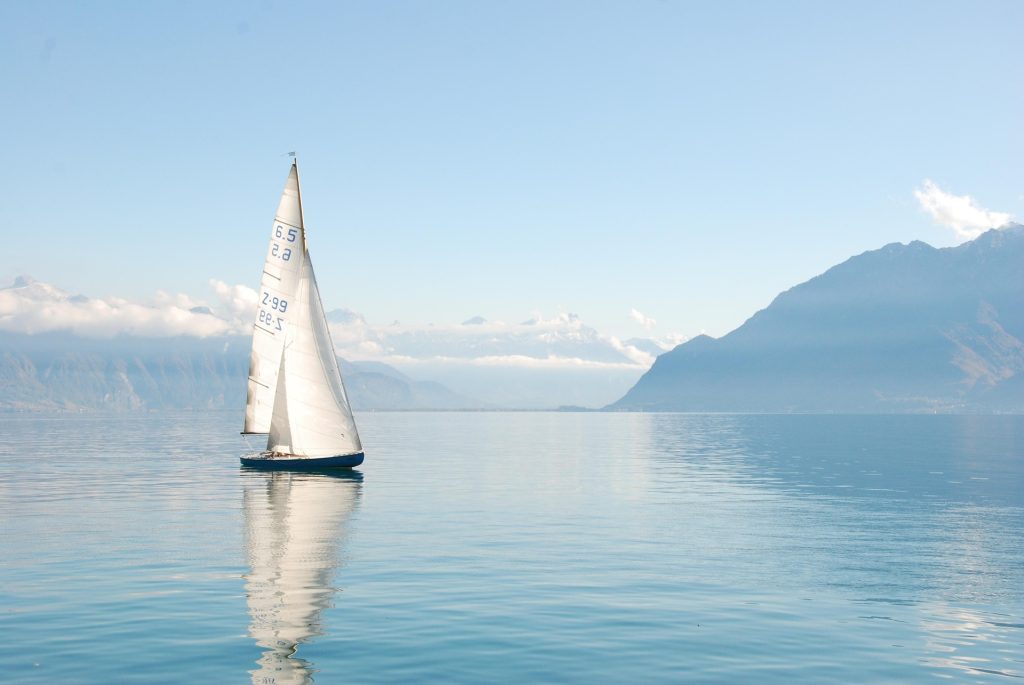
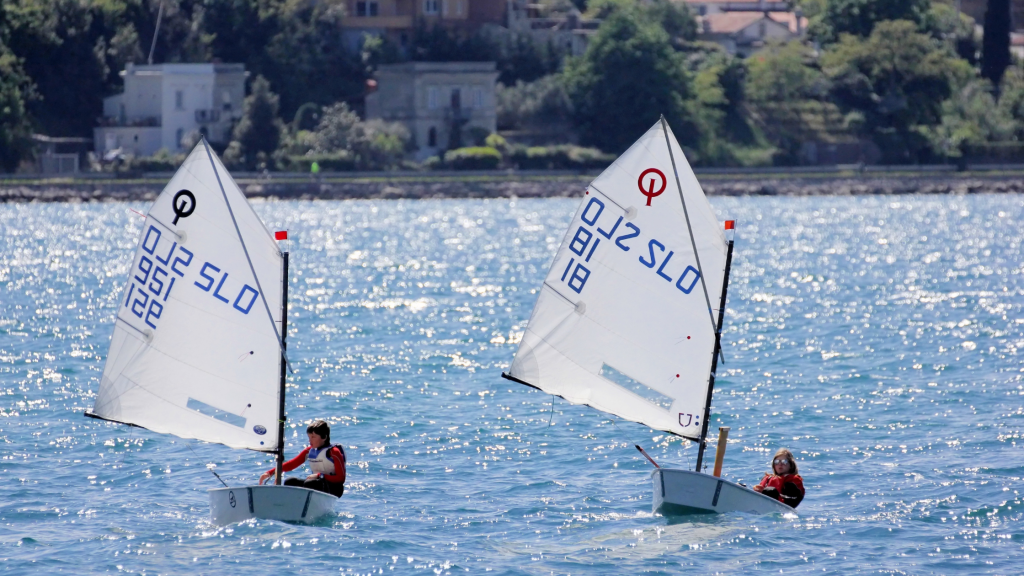
Today, the role of sailing is very different. The economic and military importance of wind-powered vessels has almost completely disappeared, except in some areas where fishermen still use traditional sailboats. Modern sailboats are mainly used for leisure, sport, and tourism. Cruising and racing yachts have little in common with former merchant or war ships, as they differ greatly in both design and purpose.
Although sailing boats were used only for transport for many centuries, the first signs of sport and leisure sailing appeared as early as the 17th century in the Netherlands. During the Dutch Golden Age, wealthy merchants used fast ships called “jaghts” for pleasure and social events. This marked the beginning of sailing for enjoyment, not just for trade or fishing.
An important role in bringing this culture to England was played by Charles II of England. During his exile in the Netherlands, he discovered sailing as a form of leisure. In 1661, the Danish gifted him a luxury yacht called Mary, and he encouraged the construction of many other sailing boats. In the same year, the first recorded sailing race took place on the River Thames between Charles and his brother. This event is seen as the symbolic beginning of competitive sailing.
The first organized regatta followed in 1720 in Ireland, organized by the world’s first sailing club, The Water Club of the Harbour of Cork, later known as the Royal Cork Yacht Club. Sailing became established as a prestigious sport of the wealthy mainly in the 19th century, especially in England. By 1830, three royal yacht clubs were already active: the Royal Yacht Squadron, the Royal Cork Yacht Club, and the Royal Thames Yacht Club.
Organized sailing soon spread beyond Britain. The first sailing club outside the British Empire was founded in Sweden in 1830, and in 1844 the New York Yacht Club was established in the United States. This club played a key role in international competitive sailing when its yacht America won the America’s Cup in 1851. The competition was dominated by the United States for 132 years, until Australia won in 1983 with an innovative keel design. The America’s Cup is still considered the oldest and most prestigious sailing competition in the world, contested between the defending champion and challengers.
Modern competitive sailing continued to develop with the inclusion of sailing in the Olympic Games and the founding of the International Sailing Federation (World Sailing) in 1907, which took over global governance of the sport. Sailing was included in the Olympic Games for the first time in 1896, but races were cancelled due to bad weather. The first actual Olympic sailing competitions were held in Paris in 1900.
Since then, sailing has been a permanent Olympic sport, making it one of the disciplines with the longest continuous Olympic tradition. Because it depends strongly on wind and weather, sailing events usually take place at sea, on lakes, or in large bays near host cities. Over the decades, Olympic sailing classes have changed many times to reflect new technology, safety standards, and efforts toward gender equality.
After the Second World War, sailing experienced strong growth. The rise of the middle class, more free time, and the development of supporting infrastructure, such as marinas, sailing schools and clubs, marine equipment shops, and charter companies, turned sailing into a popular leisure activity. Technological advances in boat building played a key role in this change.
At first, the use of plywood made boat construction cheaper and easier, even for amateur builders. After the war, fiberglass (GRP) brought a major transformation. Boat building became industrialized, production moved to series manufacturing, maintenance costs dropped, and sailboats became affordable consumer products for a wide audience. Modern sails, ropes, masts, and navigation electronics further simplified handling and made sailing accessible even to less experienced enthusiasts.