Sailing as a sport is very diverse today, combining physical activity, knowledge, tactics, and close contact with nature. Although it originated from maritime transport and exploration, over time it has developed into an independent sport that can be practiced recreationally or competitively, at an amateur or elite level. What makes sailing unique is that a sailor does not defeat opponents merely through speed, but above all through an understanding of wind, waves, and the rules of movement on water.
Competitive sailing mostly takes place in the form of regattas, where sailors compete on marked racecourses. Tactics and the correct choice of direction are extremely important, as conditions on the water are constantly changing. For this reason, sailing is often compared to chess, where every decision influences the final result. In addition to physical strength, it also requires a high level of concentration, patience, and the ability to adapt quickly.
Sailing classes are divided according to the technical specifications of boats, such as length, width, weight, sail area, number of crew members, and steering method. The purpose of these classes is to ensure comparable racing conditions, where success is determined by the sailors’ skill and tactics rather than the technical superiority of the boat. Classes were first systematically defined for the needs of the first modern Olympic Games in 1896 Summer Olympics, and since then more than 46 different sailing classes have been developed.
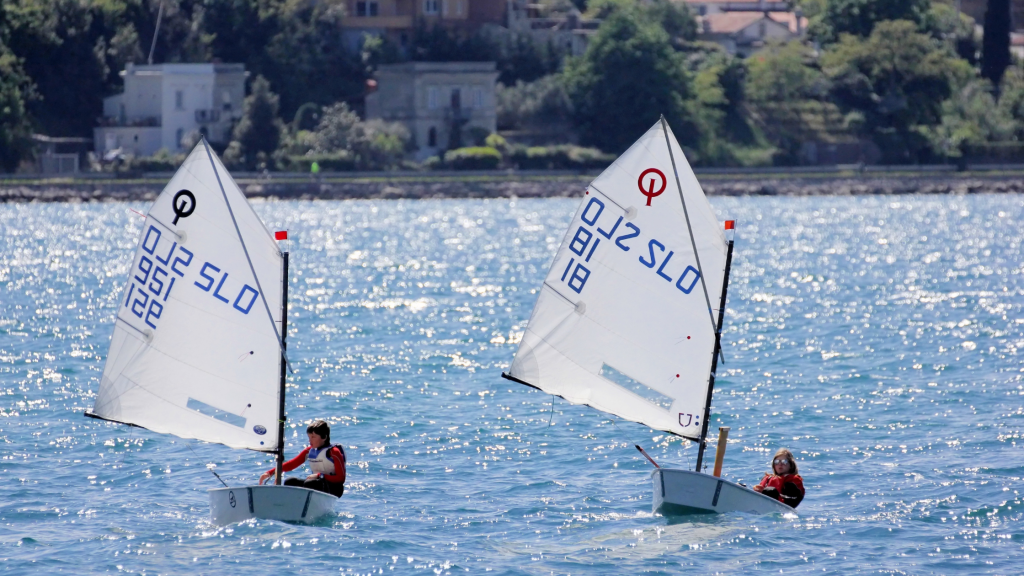
A special place in competitive sailing is held by the Optimist class, which is intended for children. It is a small single-handed dinghy on which young sailors learn the basics of boat handling, understanding the wind, and safety rules. The Optimist is often a child’s first contact with sailing and represents the foundation for further development. Despite its simple design, competition in this class is very serious and takes place at both national and international levels.
As sailors gain more knowledge and experience, they can continue in other small-boat classes such as Laser, 420, or 470, some of which are also Olympic classes. These classes are more technically and physically demanding and represent the pinnacle of competitive sailing. Sailors must be in excellent physical condition and possess a well-developed competitive mindset.
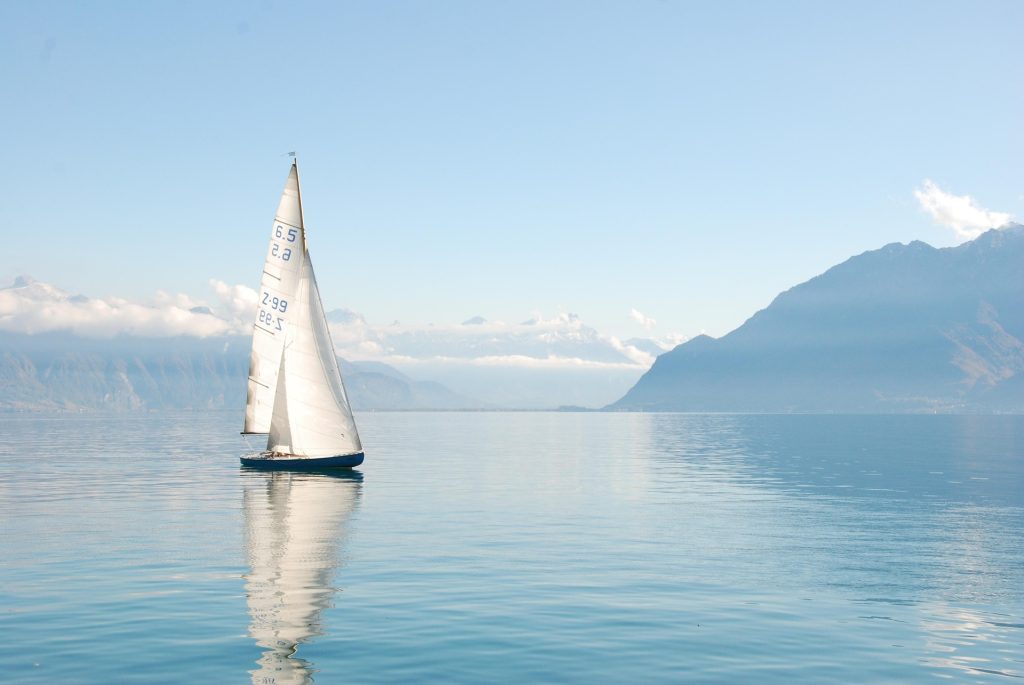
An important part of competitive sailing is also sailing on large yachts. These have multi-member crews and enable team cooperation, where each crew member has a specific role. In addition to shorter regattas, longer offshore races are also popular, requiring good navigation skills, endurance, and mutual trust among the crew. Such sailing combines sport, adventure, and teamwork.
As a sport, sailing therefore offers numerous opportunities for all ages and levels of knowledge. Whether it is a child in the Optimist class, a competitor in an Olympic class, or a crew on a large yacht, sailing always combines movement, thinking, and respect for nature, which gives it a special value among sports.
Over time, sailing has evolved from classical yacht sailing into a broad group of related sports. In addition to traditional sailing with smaller and larger yachts, new disciplines emerged in the second half of the 20th century, such as windsurfing, which combines surfing and sailing, and kitesurfing, where the sailor is propelled by a kite. Catamaran sailing also expanded, allowing higher speeds thanks to two hulls, as well as foil sailing, in which vessels use hydrofoils to lift the hull above the water surface. An important part of modern sailing is also represented by oceanic and solo offshore races, while special forms such as ice sailing and land sailing also exist. Together, these disciplines show how sailing has developed into a diverse and technologically advanced sport.