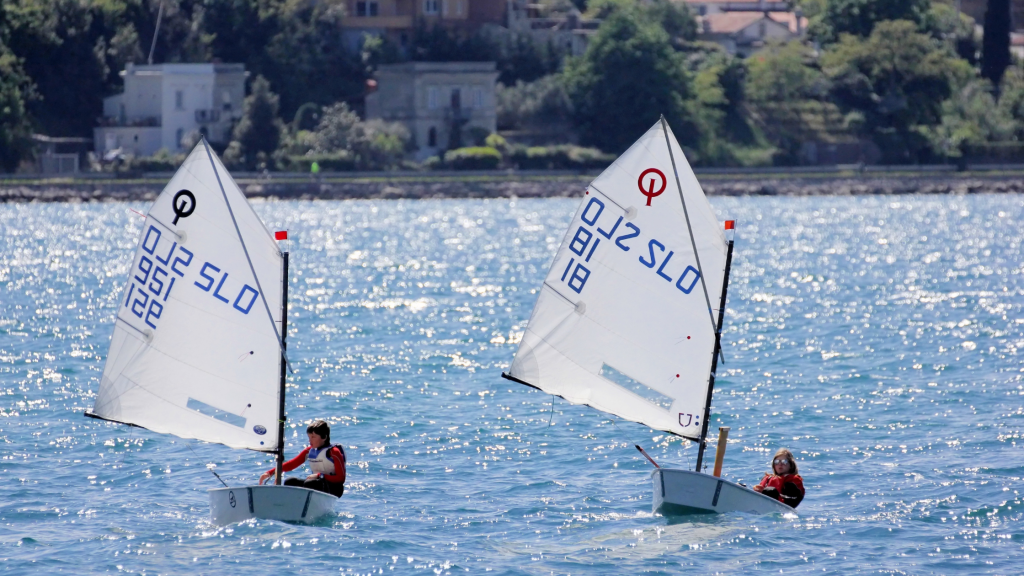
For thousands of years, sailing ships have shown people’s wish to explore the unknown, move freely, and go beyond natural limits. With their help, civilizations crossed large seas, built trade routes, discovered new lands, and connected distant cultures that would otherwise have stayed apart. Sailing ships were not only a way to travel; they were also symbols of bravery, knowledge, and trust in human skills. Early sailors mainly depended on the wind, the stars, and their own experience to sail safely across unpredictable seas.
The earliest boats were simple and made from natural materials. They were used mostly on rivers and near the coast. A major change in sea travel came when people began to use wind for movement. The sail made longer journeys possible, leading to the gradual expansion of maritime activities into the open sea.
Ancient civilizations were very important in the early development of sailing. The Egyptians used sails mainly on the Nile River. The Phoenicians were skilled sailors who built large trade networks and showed that ships could safely sail on the open sea. The oldest images of sailing ships date back to around 3500 BCE. In ancient times, the Greeks and Romans developed galleys, ships that used both sails and oars. These ships were important for trade and for war at sea. Roman maritime dominance rested on a well organized fleet and technically advanced vessels.
During the Middle Ages, sailing developed more slowly, but the lateen sail was an important improvement. It made sailing against the wind easier and gave ships better control. An especially important role was played by the Vikings. Their longships, with clear square sails, allowed them to travel on open seas, rivers, and even across the Atlantic Ocean to North America. At the same time, shipbuilding was also improving in Asia, especially in China. There, sailors developed ships with several masts and a rudder at the back of the ship, which had a strong and lasting influence on the future of sailing.
The Age of Great Geographical Discoveries in the 15th and 16th centuries was the most important period for sailing. Sailors such as Christopher Columbus, Vasco da Gama, and Ferdinand Magellan sailed across the oceans to find new continents and sea routes. The development of new ship types, such as caravels and galleons, made long sea journeys safer and easier and marked the beginning of a new age in maritime history.
The 17th and 18th centuries, often called the Golden Age of Sail, saw the rise of large war and trade sailing ships, such as frigates and ships of the line. These ships were the best examples of wooden shipbuilding at the time and became symbols of a country’s power at sea.
The development of sailing was closely connected to better navigation knowledge and tools. Early sailors used the Sun, the stars, and the coastline to find their way, which limited how far they could travel. A major improvement came in the Middle Ages with the compass, which helped sailors know their direction even far from land. In the 18th century, navigation became even more accurate with the sextant and the marine chronometer developed by John Harrison. The chronometer allowed sailors to measure longitude accurately for the first time, greatly reducing the risk of getting lost at sea.
With the growth of industry and the invention of the steam engine in the 19th century, sailing slowly lost its importance as the main way of transport. However, it did not disappear. Instead, it became a sport and a leisure activity. The first sailing races were organized, sailing clubs were founded, and sailing became a symbol of skill, elegance, and a strong connection with nature.
Today, sailing is a popular sport and hobby around the world. Along with traditional sailing boats, there are also modern racing classes that use advanced materials and new technologies.