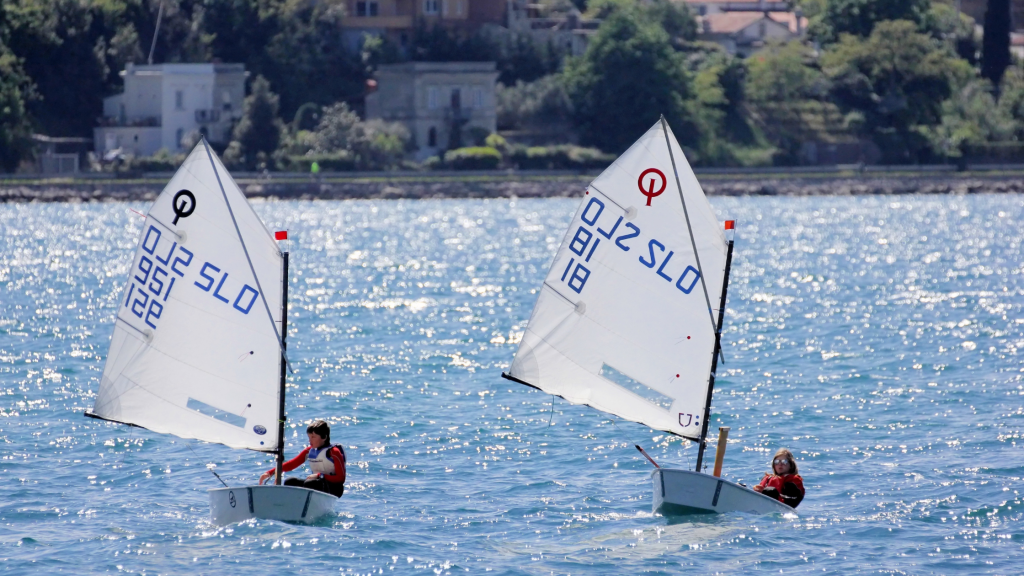
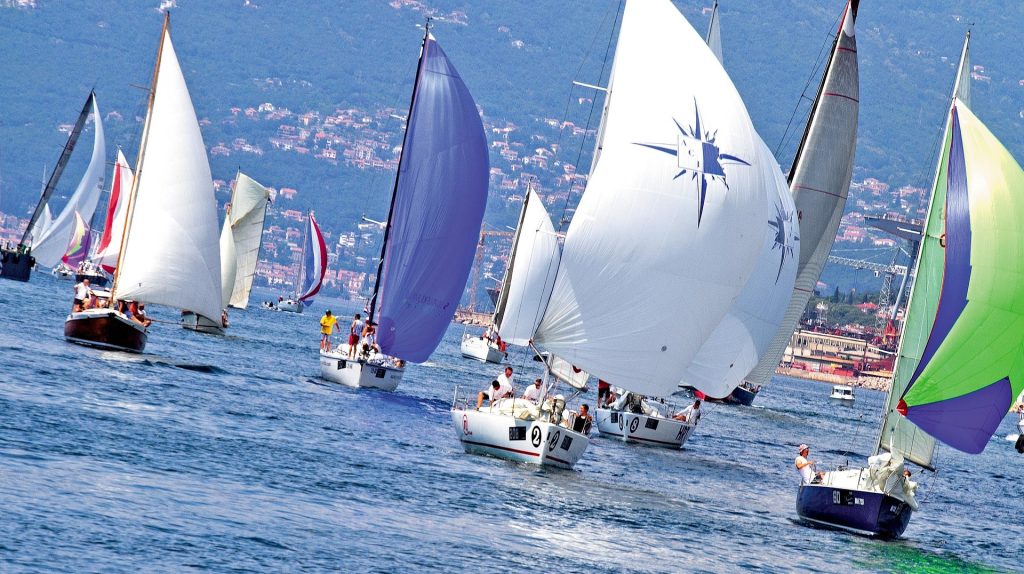
Sailing is an activity that can be practiced in very different natural environments, such as seas, lakes, and rivers. Each of these environments has its own specific characteristics that influence the way sailing is practiced, the types of vessels used, and the knowledge and experience required of sailors. At sea, sailors face longer distances, waves, and sea currents, making a good understanding of weather conditions and navigation essential. Lakes offer a more confined but often technically demanding environment, where the wind can change rapidly due to the surrounding landscape. Rivers present a special challenge, as sailing there is influenced not only by the wind but also by water currents and limited maneuvering space. It is precisely this diversity of environments that allows sailing to adapt to different geographical and cultural conditions. Below are the characteristics of sailing in the countries participating in the SIESsail project.
In Italy, sailing has a long and rich tradition, mainly due to its extensive coastline along the Adriatic Sea, the Tyrrhenian Sea, and the Ligurian Sea. Sea sailing is highly developed there in both competitive and recreational terms. Characteristic winds such as the bora and the maestral enable high-quality regattas and training throughout the year. Italy is well known for its numerous sailing clubs, major regattas, and sailing on larger yachts, which are used both for competitions and for longer voyages. The marine environment requires a high level of knowledge and responsibility, which strongly shapes Italian sailing culture.
Despite its short coastline, Slovenia has a very diverse sailing environment. Sailing in Slovenian waters, especially in the Gulf of Trieste, is technically demanding due to variable winds and dense maritime traffic. In addition to the sea, Slovenia also has important lake sailing centers, such as Lake Bled and Lake Bohinj, where training sessions, sailing schools, and competitions take place, particularly for young sailors. A special feature of Slovenia is also sailing on rivers, among which the Ljubljanica stands out. Sailing on the Ljubljanica is more recreational and demonstrative in nature, takes place in an urban environment, and emphasizes the connection between sport, culture, and city space.
In Serbia, which has no access to the sea, sailing is primarily focused on rivers and lakes. The most important role is played by major rivers such as the Danube and the Sava, as well as numerous artificial lakes. Sailing in such an environment requires adaptation to river currents, limited space, and other vessels. Although it is mostly recreational in nature, it plays an important role in developing basic sailing skills, cooperation, and an understanding of natural forces.
Estonia offers a completely different sailing experience, as it lies along the Baltic Sea and has a highly indented coastline with many islands. Sea sailing there is closely connected with nature, endurance, and respect for weather conditions, which can be cold and unpredictable. The Baltic Sea requires good preparation and experience, making safety extremely important. In addition to sea sailing, lake sailing is also widespread in Estonia and is often used for training, recreation, and youth programs.
The different sailing environments in the partner countries of the project—Italy, Slovenia, Serbia, and Estonia—show how adaptable and versatile sailing is as a sport. Whether it takes place on the open sea, a calm lake, or a river, sailing connects people, encourages cooperation, and enables the exchange of knowledge and experience. It is precisely the diversity of natural environments that enriches project cooperation and contributes to a better understanding of sailing as a shared European heritage.