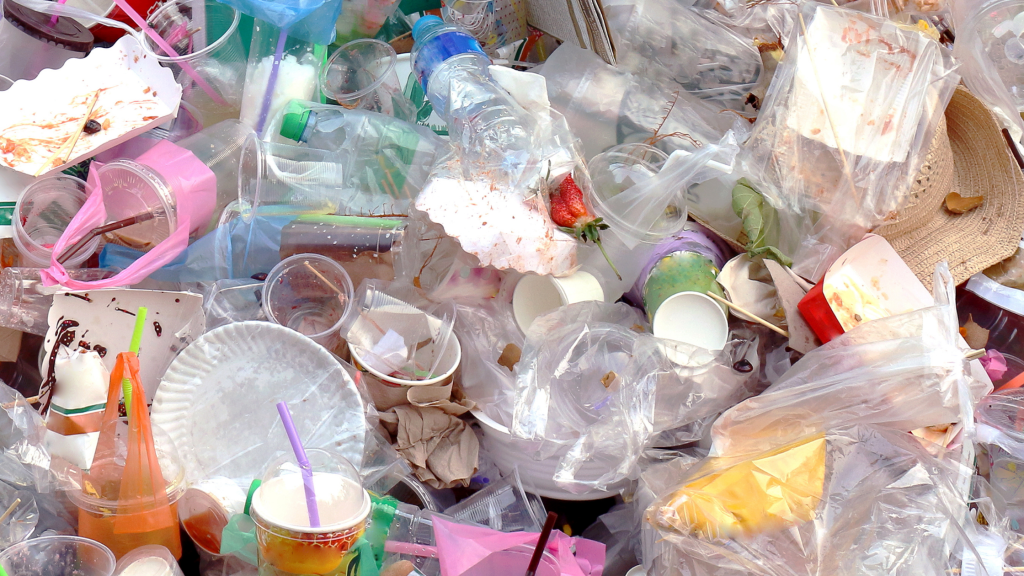
Not all marine pollution is easy to see. Plastic bottles, floating bags, and other pieces of rubbish are obvious signs of pollution, but some of the substances entering the sea from sailing boats are almost invisible.
Everyday products such as shampoo, shower gel, soap, toothpaste, dishwashing liquid, laundry detergent, sunscreen, and boat cleaning products contain ingredients that eventually have to go somewhere. On land, wastewater usually enters a sewage system and may pass through a wastewater treatment facility. On a boat, the situation can be very different.
Depending on the vessel and its wastewater system, water from sinks and showers—often called greywater—may eventually be discharged into the surrounding environment. This means that products used on board can potentially reach the sea.
A small amount of shampoo or dishwashing liquid from one boat may appear insignificant. However, popular marinas, bays, and anchorages can host hundreds of boats during the sailing season. The combined use of cleaning and personal-care products can therefore increase the amount of chemicals entering coastal waters, particularly in areas with limited water circulation.
This is why choosing what we bring on board matters.
When buying shampoo, soap, dishwashing liquid, or cleaning products for a sailing trip, look for products designed to have a lower environmental impact. Products that are readily biodegradable and free from unnecessary fragrances, dyes, and harsh chemicals can be a better choice. However, labels such as “natural”, “green”, or even “biodegradable” should not be interpreted as meaning that a product has no environmental impact.
Biodegradable does not mean that a product disappears immediately when it enters the sea. Degradation depends on environmental conditions, and substances can still affect marine organisms before they break down. The most environmentally responsible approach is therefore not only to choose better products but also to use less of them.
This principle applies particularly to dishwashing. Before washing plates and cooking equipment, remove food remains and place them in the appropriate waste container rather than washing them directly into the sink. Use only the amount of dishwashing liquid that is actually necessary. Often, much less product is needed than we routinely use at home.
The same applies to showering. Shorter showers save freshwater, which is already a limited resource on many sailing boats, while also reducing the amount of shampoo and soap entering the wastewater system. Using smaller quantities of personal-care products can make a meaningful difference when it becomes a regular habit.
Boat cleaning deserves similar attention. Strong detergents, degreasers, bleach, solvents, and other aggressive cleaning products should be used with great care. Washing a deck with chemicals while the water runs directly overboard creates a direct route between the cleaning product and the marine environment.
Whenever possible, start with mechanical cleaning methods. A brush, cloth, freshwater, or simple physical removal of dirt may be sufficient without using additional chemicals. When a cleaning product is necessary, choose an appropriate lower-impact option and use the smallest effective quantity.
Sunscreen is another product worth considering because some of it inevitably washes off our skin while swimming. Sun protection remains essential for human health, so the answer is not to avoid sunscreen. Instead, sailors can combine sunscreen with protective clothing, hats, shade, and other forms of sun protection, while making informed choices about the products they use.
Personal-care products can also be a source of microplastics and synthetic ingredients. Checking product labels and choosing simpler formulations where possible can help reduce unnecessary substances entering wastewater.
It is also important to understand the wastewater system of the particular boat you are sailing. Different vessels handle toilet wastewater and greywater differently, and regulations concerning discharge vary between countries, protected areas, marinas, and coastal zones. Sailors should know where wastewater from sinks, showers, and toilets goes and follow all applicable local requirements.
Responsible sailing is not about achieving perfection. It is about understanding that everyday choices on board are directly connected with the environment around us.
Every drop of shampoo, soap, detergent, or cleaning product used on a boat becomes part of a larger system. Reducing the quantity we use, choosing less harmful products, preventing chemicals from being washed directly overboard, and understanding how the boat handles wastewater can all help reduce our impact.
When you are sailing, the sea is not somewhere far away from your bathroom or kitchen drain. It may be directly underneath it.
Thinking about what goes down the drain is therefore another simple but important part of sustainable sailing.