

Sailing is much more than a sport. It combines physical activity, practical skills, teamwork, decision-making and a close connection with the natural environment. Whether someone is stepping onto a sailing boat for the first time or developing more advanced skills, sailing offers opportunities to learn, build confidence and experience the sea from a new perspective. One of the unique qualities of sailing is that learning happens continuously. Beginners first become familiar with the boat, basic terminology, knots, wind direction and safety procedures. With experience, they gradually learn how to handle different sailing manoeuvres, react to changing weather conditions and work effectively with other crew members. These skills go beyond sailing itself. Time spent on the water can encourage responsibility, patience, communication and independence. Sailing also teaches participants to observe their surroundings carefully and to make decisions based on changing conditions.
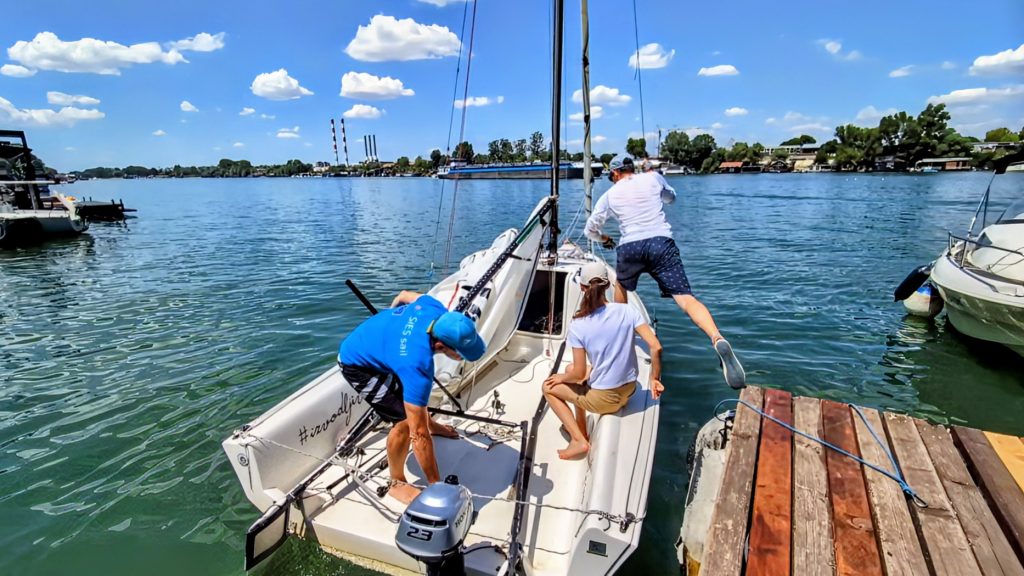
Despite its many benefits, sailing can sometimes appear difficult to access. Lack of previous experience, limited opportunities, concerns about safety or the perception that sailing requires specialist knowledge can discourage people from trying the sport. Creating a welcoming learning environment is therefore an important first step. Clear explanations, practical demonstrations, gradual progression and supportive instruction can help beginners feel more comfortable and confident. Inclusive approaches can make sailing accessible to an even wider range of participants. Coaches and instructors can adapt activities, communication methods and equipment according to the needs and abilities of individual sailors. Inclusion is not simply about allowing people to participate. It is about ensuring that participants have meaningful opportunities to learn, contribute, develop their abilities and feel that they belong.
Understanding safety is an essential part of learning to sail. Before going on the water, sailors should become familiar with basic safety procedures, suitable equipment, weather conditions and the roles of crew members. Learning how to react calmly and effectively in different situations helps participants develop both competence and confidence. For instructors and sailing organisations, safety also means considering the individual needs and experience of each participant and adapting activities when necessary. A strong safety culture allows sailors to focus on learning and enjoying the experience while developing respect for the sea and its changing conditions.
Sailing also offers a direct connection with the marine environment. Sailors experience wind, water and weather firsthand, making the sport a valuable opportunity to encourage greater awareness of environmental responsibility. Protecting the sea should therefore be an important part of sailing education. Responsible behaviour includes reducing waste, avoiding unnecessary pollution, respecting marine habitats and understanding how individual actions can affect coastal and marine ecosystems. By combining practical sailing skills with environmental education, sailing organisations can help participants become not only more capable sailors but also more responsible users of the marine environment.
These ideas are at the heart of the SIESsail project, which brings together partners from Slovenia, Italy, Estonia and Serbia to promote more accessible, inclusive and sustainable sailing education. Through educational activities, cooperation between partner organisations and the development of practical learning resources, SIESsail aims to make sailing knowledge available to a broader audience. The project addresses topics ranging from the basics of sailing, manoeuvres and knots to safety at sea, inclusion in sport and environmental protection. Particular attention is given to helping instructors and organisations create learning environments that respond to the different needs, abilities and experience levels of participants. The project’s multilingual online educational toolkit at siessail.eu brings these resources together in one place, allowing beginners, instructors and sailing organisations to explore educational materials and continue learning at their own pace.
Learning to sail is ultimately about more than controlling a boat. It can help people develop confidence, responsibility and cooperation while creating opportunities to meet others and experience the natural environment in a different way. By making sailing education more accessible, inclusive and environmentally responsible, initiatives such as SIESsail can help ensure that more people have the opportunity to discover the sport and become part of the sailing community.
Find out more about SIESsail and explore the educational resources at siessail.eu.

