If you’re learning how to sail, you’re not just gaining a new skill—you’re entering one of the most powerful and fascinating natural environments on Earth. The sea offers freedom, adventure, challenge, and a unique connection with nature. At the same time, spending time on the water also gives sailors a closer view of some of the environmental problems affecting our seas. One of the most widespread is microplastic pollution.
What Are Microplastics?
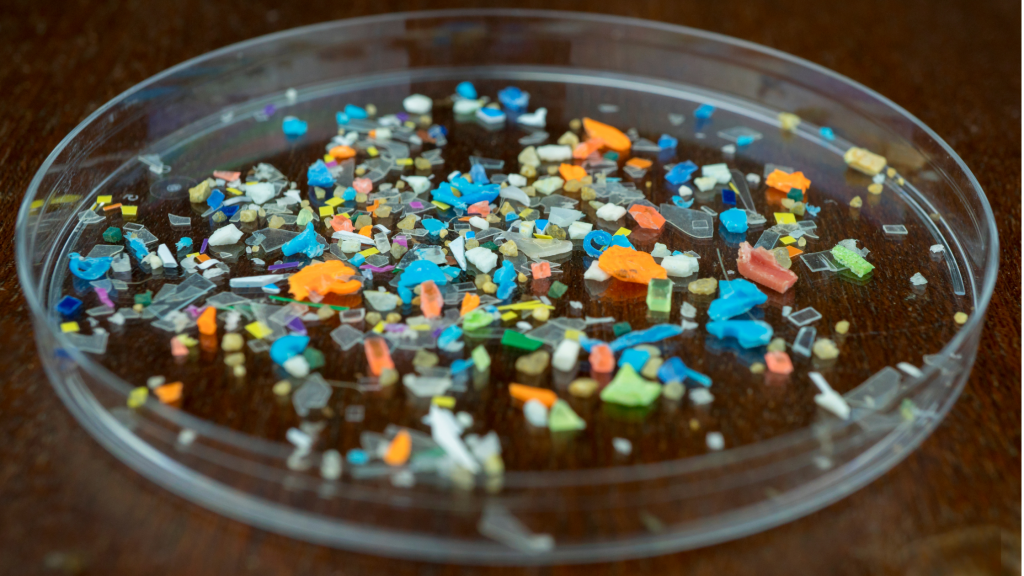
Microplastics are very small pieces of plastic, generally smaller than 5 millimetres. Some are produced at a small size, while many others form when larger plastic objects gradually break down. Plastic bottles, packaging, fishing gear, ropes, and many other products can become brittle after long exposure to sunlight, waves, and changing temperatures, eventually breaking into increasingly smaller pieces. Because microplastics are so small, they can be difficult or impossible to see while sailing. However, their small size does not make them harmless. They have been detected throughout marine environments, from coastal waters and beaches to the open ocean.
How Do Microplastics Reach the Sea?
A large proportion of microplastic pollution begins on land. Plastic waste that is not properly collected or recycled can enter drainage systems, rivers, and eventually the sea. Everyday activities can also release tiny plastic fibres and particles. For example, washing synthetic clothing can release microfibres that may pass through wastewater systems and ultimately reach natural waters. There are also sources connected directly with maritime activities. Lost or abandoned fishing gear gradually fragments in the sea, while synthetic ropes, nets, sails, and other equipment can release fibres as they age and wear. Paints and protective coatings used on boats and around marinas may also contribute small particles to the marine environment. This means that sailors are not only witnesses to marine pollution. Our choices about equipment, maintenance, waste, and behaviour on board can also influence the health of the waters we enjoy.
Why Are Microplastics a Problem?
Microplastics are particularly concerning because marine animals can mistake them for food. Tiny organisms such as plankton may ingest microscopic plastic particles, while fish, seabirds, shellfish, and other marine species can consume larger fragments. In this way, microplastics can move through the marine food chain. Plastic particles can also carry or contain different chemicals, creating additional concerns for marine ecosystems. Scientists continue to study the long-term effects of microplastics on individual species, habitats, and the wider food web. What is already clear is that plastic pollution does not simply disappear when a bottle, bag, rope, or other object breaks apart. Instead, it can remain in the environment as smaller and smaller particles for a very long time.
For sailors, the problem is especially relevant because sailing depends directly on healthy seas, clean coastlines, and thriving marine ecosystems.
What Does This Mean for Sailors?
Learning to sail gives you an opportunity to experience the marine environment in a way that many people never do. From the deck of a sailing boat, you may see wildlife, coastal habitats, remote bays, busy ports, and sometimes pollution floating on or near the surface. This experience also creates an opportunity to become more environmentally responsible. Protecting the sea does not require sailors to completely change the way they sail. Many improvements come from small decisions made before leaving the marina, while maintaining a boat, or during everyday life on board. Water quality, healthy wildlife, and clean sailing destinations are all connected to the future of sailing. Taking care of the marine environment therefore also means taking care of the places where current and future generations will learn, train, race, and enjoy being on the water.
How Can Sailors Reduce Microplastic Pollution?
One of the easiest steps is to reduce the amount of disposable plastic brought on board. Reusable drinking bottles, food containers, bags, and durable equipment can significantly reduce unnecessary waste. All waste should be stored securely so that nothing can accidentally blow or fall overboard and should be disposed of properly when returning to a marina or harbour. Boat maintenance also matters. Sailors and boat owners can regularly inspect ropes, sails, covers, paints, and coatings and replace or repair damaged equipment responsibly. Careful maintenance can help reduce unnecessary shedding of synthetic fibres and particles into the water.
Clothing is another area where small changes can help. Many sailing jackets, technical shirts, fleeces, and other garments are made from synthetic materials that can release microfibres during washing. Washing equipment only when necessary, choosing durable products, and using washing-machine filters or special laundry bags designed to capture fibres can help reduce this pollution. Sailors can also participate in beach and coastal clean-ups, report heavily polluted areas, and encourage responsible environmental practices within their sailing clubs. Education is equally important. Sharing knowledge with other sailors, particularly beginners and young people, helps create a sailing culture in which environmental responsibility becomes a normal part of being on the water.
Sailing as a Force for Good
Sailing teaches us to pay attention to nature. We observe the wind, waves, currents, weather, and changing conditions around us. This close relationship with the environment makes sailing a powerful way to build greater awareness of marine protection. The sea also reminds us that environmental problems do not respect borders. Plastic lost or discarded in one country can be carried by rivers and currents over great distances. Protecting the marine environment therefore requires cooperation between individuals, sailing clubs, coastal communities, organisations, and countries.
By developing sustainable habits from the beginning of your sailing journey, you can become part of this wider effort. Every reusable bottle, carefully maintained piece of equipment, properly disposed item of waste, and conversation about protecting the sea contributes to a more responsible sailing community.
Taking Care of the Waters We Sail On
Learning to sail is about much more than understanding sails, manoeuvres, knots, and the wind. It is also about developing respect for the environment that makes sailing possible. Microplastics may be tiny, but together they represent a significant environmental challenge. Sailors cannot solve the problem alone, but they can help reduce their own impact, raise awareness, and encourage responsible behaviour within their communities. The sea gives sailors extraordinary experiences. Taking care of it should be part of every sailing journey.